
Snack Texture Analyzer & SOlutions
Snack Texture Analyzer
Comprehensive Testing for Snacks Quality Control
About Us
Snack Texture Analyzer
The snack texture analyzer is an essential instrument for evaluating the mechanical properties of snack foods, including potato chips, crackers, and extruded snacks. As consumer expectations rise for consistent crunchiness, crispness, and mouthfeel, manufacturers and quality control professionals increasingly rely on food texture analysis to deliver reliable products. Using cylinder probe texture analysers and snack product TPA texture measurements, Cell Instruments’ TEX Series provides precise, reproducible data to optimize product quality and enhance consumer satisfaction.
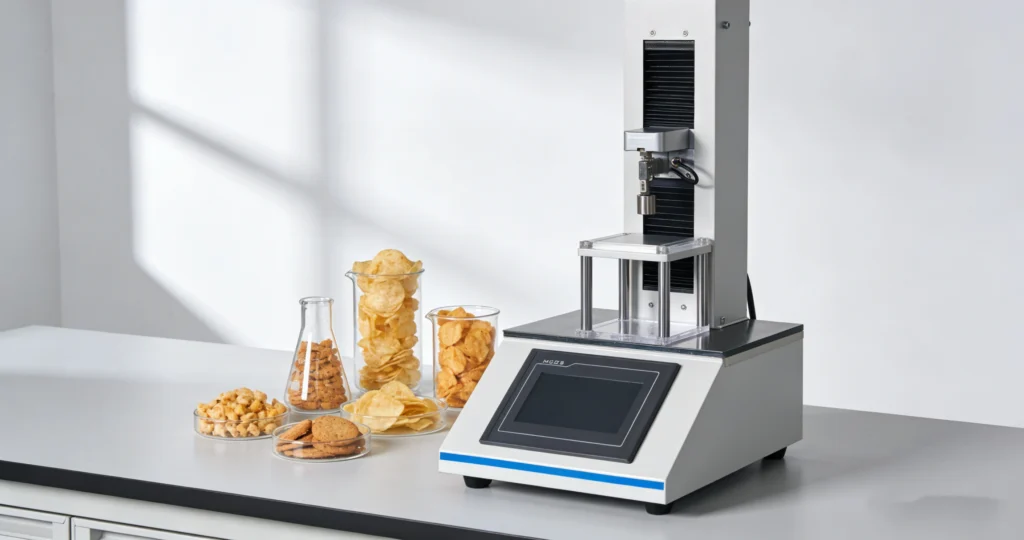
Reliable Snack Texture Analysis for Quality Assurance
Why Snack Texture Analysis Matters
Snack texture analysis is essential to guarantee product quality, sensory satisfaction, and market competitiveness. Consumers expect consistent crispness, firmness, and chewiness in products like potato chips, crackers, and gummy candies. Inconsistent texture can lead to customer complaints, product returns, and brand reputation issues.
Testing the texture of snacks allows manufacturers to:
- Ensure uniformity across production batches
- Optimize processing parameters, such as frying, baking, or extrusion
- Evaluate shelf-life effects on texture, including moisture absorption or staleness
- Support product development for new flavors, ingredients, or alternative formulations
Brief Description of the Texture Test Method
The snack texture analyzer replicates chewing, biting, and handling conditions. Samples are compressed, sheared, or cut under controlled speed and force settings. TPA provides a force-time curve to evaluate sensory attributes, while cutting or shear tests measure crispness and fracture resistance. Data are recorded in real-time, allowing batch comparisons and process optimization. With precise probes and adjustable parameters, the instrument supports a wide range of snack textures, from soft gummies to brittle crackers.
Applicable Fields and Typical Applications
01
Snack Food Manufacturing
Ensures consistent crispness, chewiness, and texture in chips, crackers, and nuts.
02
Confectionery Industry
Optimizes texture in gummy candies, chewy candies, and marshmallows.
03
Quality Control Laboratories
Monitors batch-to-batch consistency, firmness, and fracture resistance for compliance with food safety and quality standards.
Texture Analysis Methods for Snacks
The main texture analysis methods include:
- Texture Profile Analysis (TPA / Two-Bite Test): Simulates human chewing by compressing the sample twice, quantifying hardness, cohesiveness, springiness, and chewiness.
- Cutting Force Measurement: Uses a blade or probe to measure resistance, essential for crisp snacks like chips and crackers.
- Single Compression: Evaluates firmness and brittleness in gummies or soft candies.
- Gel Strength Measurement: Determines mechanical strength of gelatin-based snacks and candies.
- Crispness Analysis: Measures fracture events during compression to quantify sensory crispness.
These methods can be performed with cylinder probes, cutting blades, and sample holders, ensuring reproducibility and flexibility for different snack types.
Why Choose Cell Instruments?
Selecting a reliable partner for snack texture analysis is critical. Cell Instruments offers decades of expertise and advanced instrumentation tailored for the food industry.
- Proven Expertise: Years of experience providing solutions for food, packaging, and pharmaceutical sectors.
- Advanced Technology: TEX Series analyzers incorporate TPA, cutting force, gel strength, and crispness measurements for precise snack evaluation.
- Customization Services: Specialized probes, cutting blades, and fixtures accommodate unique snack textures.
- User-Friendly Operation: Automated test routines, touch-screen interface, and real-time data reporting streamline QC processes.
- Reliable Support: Comprehensive training, global after-sales service, and consultation ensure smooth integration and continuous operation.
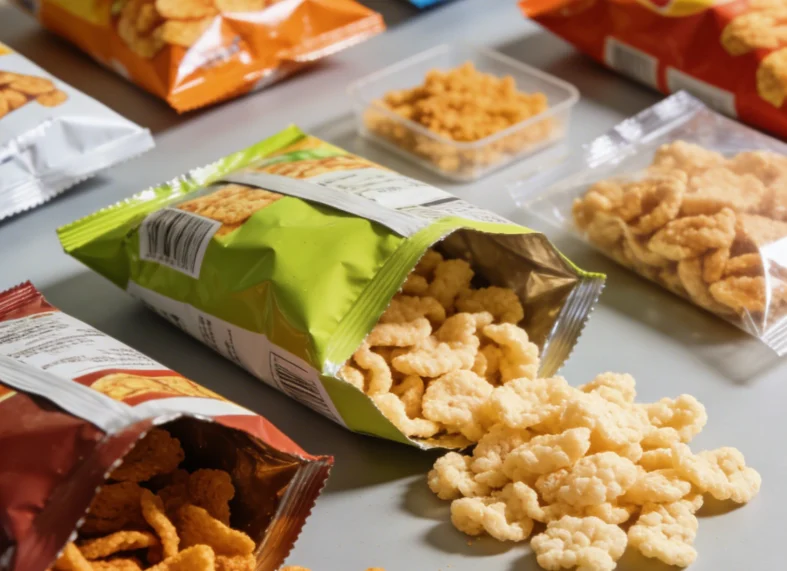
Texture Analyzer
TEX Series Snack Texture Analyzers

| Parameter | TEX-01 / TEX-01Pro | TEX-02 |
|---|---|---|
| Test Range | 50 kg | 20 kg |
| Speed | 1–500 mm/min | 1–500 mm/min |
| Stroke | 250 mm | 110 mm |
| Key Methods | Compression, Gel Strength, Hardness & Fracturability, TPA (Pro only), Hold to Load, Bloom Test | Compression, Gel Strength, Hardness & Fracturability, Tensile |
| Power | AC 110–220V | AC 110–220V |
| Dimensions (L×W×H mm) | 410 × 360 × 820 | 450 × 300 × 360 |
Key Advantages of Cell Instruments TEX Series
Modern Snack Texture Analyzer from Cell Instruments combine automation, precision and user‑friendliness:
- Consistency: Provides precise, reproducible measurements across batches.
- Versatility: Supports TPA, cutting force, gel strength, and crispness evaluation for a wide range of snack products.
- User-Friendly Interface: Touch-screen control, real-time data display, and automated test routines simplify operation.
- Customizable Testing: Cylinder probes, cutting blades, and sample holders allow testing of diverse candy and snack textures.
- Reliable Support: Comprehensive pre-sale consultation, training, and global after-sales service.
Price of Texture Analyzer for Snack Products
Cell Instruments offers competitive pricing based on model selection and optional accessories. Whether testing simple firmness or conducting full TPA and crispness analysis, choosing the appropriate snack texture analyzer ensures accurate, reproducible results while optimizing production quality.
Frequently Asked Questions about Snack Texture Analyzer
What is a snack texture analyzer?
It is an instrument designed to measure crispness, firmness, and cutting force of snacks such as potato chips, crackers, and extruded products.
Which methods are commonly used?
Typical texture analysis methods include Texture Profile Analysis (TPA), cutting force measurement, and firmness evaluation, providing quantitative data for quality control and product development.
Why choose Cell Instruments?
Our analyzers offer high precision, reproducibility, customizable probes, and integrated software for automatic data collection and reporting, supporting R&D labs and production quality assurance.
Can the analyzer test all types of snacks?
Yes, the snack texture analyzer can measure crisps, chips, crackers, extruded snacks, and other dry or semi-moist products using appropriate probes and fixtures.
How is the data used?
Test results from TPA, cutting force, and firmness tests guide product formulation, process optimization, and ensure consistent texture quality across batches, reducing defects and improving consumer satisfaction.